

What to do if you are with someone in a coma?
This website has been set up as a result of an event:
A couple of years ago a traffic accident severely injured one of my children. Except for a lot of bone fractures and injuries, he also went into a deep coma. He's transferred by helicopter at night to the University Hospital in Toulouse, 150 miles away from our home. My wife and I followed him, staying at his side every day, for weeks in a row.
At the beginning, doctors keep pointing out to us the life-threatening danger our son is in, telling us to prepare for the worst.We refuse to leave it at this, tune our minds positive and try every trick in the book. We are with him as much as we can, touch him, talk, sing, massage, tell, play movies and music, caress, sit silent, breathe, sigh, make noises, we fight and fight and our son seems to be fighting with us. Slowly, very slowly, we see him surfacing from his coma at long last, but not safe of consequences like confusion, problems with speech, memory loss. Next is a rehabilitation program of unpredictable length and result.
During our desperate search for information about our possible part in all of this, at first we could only find reflective and scientific reports, which all had a very impersonal, pathological approach, considering comatose persons as "patients", therefore also treating and judging them that way. According to our own experiences and learning process, I came to a different vision of supporting and helping someone who is in a coma.
If you find yourself in your life in this kind of “ordeal”, the information you find on this website will be invaluable for you.
Good luck
Arno VOOGD
-
The essential
A comatose person has the right to communication and connection, even if they seem unaware. Through calm, respectful, and attentive approaches, you can establish contact, offering them support, comfort, and a voice in their care. This pages provides practical guidelines for communication, from initial steps to deeper methods.
-
Communication
Learn how to connect with a comatose person through simple, meaningful interactions—using touch, familiar scents, music, and gentle communication. This page provides step-by-step methods to establish contact, recognize subtle responses, and even develop a "yes/no" communication system. Whether through photos, favorite foods, or binary signals, your presence can offer comfort and a vital connection.
-
Waking Up
Waking from a coma is a gradual and unpredictable journey—physical, emotional, and mental recovery takes time, patience, and understanding. This page offers practical advice on supporting a loved one through the challenges of rehabilitation, from managing outbursts and confusion to ensuring safety, rest, and proper nutrition. Learn how to create a structured, respectful environment while prioritizing their dignity and independence.
-
Rehabilitation
Recovering from a brain injury is a lifelong journey—both physically and emotionally. This page explores the stages of rehabilitation, common challenges (like memory loss, anger, or depression), and practical coping strategies for patients and families. Learn how to support cognitive retraining, manage behavioral changes, and adapt to new roles while fostering patience and hope.
-
Changes after brain injury
Brain injuries can profoundly impact thinking, behavior, communication, and physical abilities—from memory loss and emotional changes to mobility and sensory challenges. This guide provides practical strategies to support recovery, manage symptoms like fatigue and spasticity, and improve daily functioning. Learn how to adapt routines, enhance communication, and foster independence through structured, patient-centered care.
-
Life after a brain injury
Life after a brain injury involves adapting to new challenges—from changed family dynamics and relationships to returning to work, school, or driving. This page offers practical advice on caregiving, emotional support, and fostering independence while addressing long-term effects like post-concussion syndrome. Learn how to navigate rehabilitation, leisure activities, and substance use risks to improve quality of life for both survivors and caregivers.
-
Coma and the dying days
The final stages of life bring unique physical and emotional changes—from loss of appetite to altered breathing patterns and vivid dreams. This page helps families understand what to expect, how to provide compassionate care, and ways to honor their loved one's journey with dignity.
-
Contact
Contact us if you want more information or if you want to share your experiences.

As long as there's a heartbeat, a connection can be made
Read more about our vision and mission and discover a hopeful approach to the difficult situation you are dealing with.
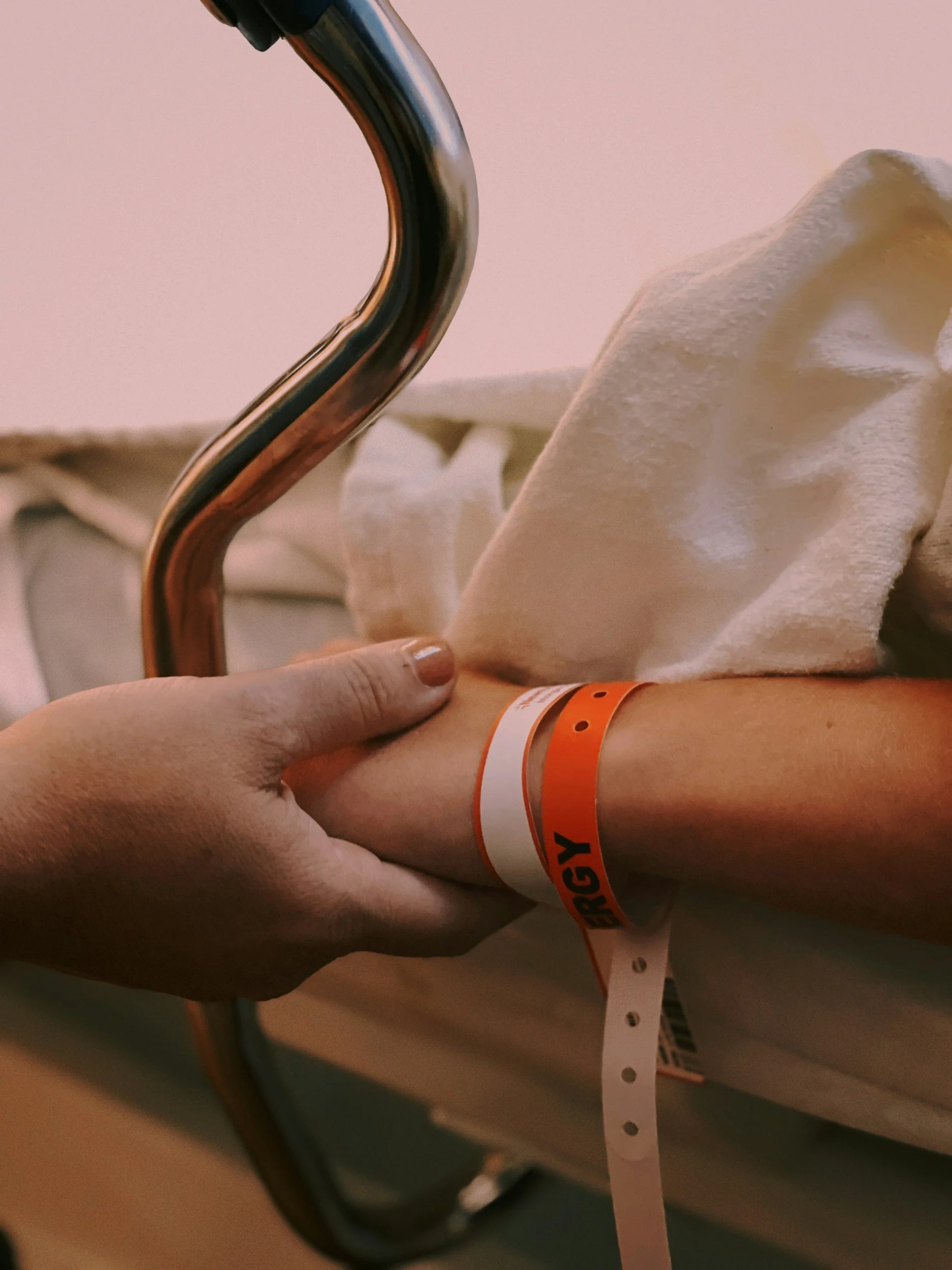
First approach
Discover essential tips for those who are in presence of someone in a coma.

« In a coma, you don't dream. You just hope that someone sits with you. »
— Conor Oberst